
Pornography Addiction: Signs, Causes, Effects, And Treatment
QUITTR is the #1 porn quitting app in the world. Join 1,000,000+ others on a mission to be the best person they can be.
Last Edited
Pornography addiction is a behavioral condition characterized by compulsive, uncontrollable consumption of pornographic material despite negative consequences to personal, social, and occupational functioning.
The World Health Organization recognized this condition by including compulsive sexual behaviour disorder (CSBD) in the ICD-11 in 2019. CSBD describes a persistent failure to control intense sexual impulses that result in repetitive sexual behavior over an extended period.
Pornography addiction is the most common manifestation of CSBD, according to research by Dr. Shane W. Kraus at the University of Nevada, Las Vegas.
The signs of pornography addiction include escalating consumption, inability to stop despite repeated attempts, neglect of responsibilities, social withdrawal, and continued use despite relationship damage. These signs reflect a cycle of compulsive behavior similar to substance use disorders, as described by the American Society of Addiction Medicine (ASAM), which defines addiction as a chronic brain disorder involving reward, motivation, memory, and related circuitry.
The causes of pornography addiction involve neurobiological, psychological, and environmental factors. Neurobiologically, repeated pornography exposure activates the mesolimbic dopamine pathway, producing tolerance and sensitization patterns comparable to those seen in drug addiction, according to a 2015 review by Todd Love and colleagues published in Behavioral Sciences.
Psychologically, underlying conditions such as depression, anxiety, ADHD, and trauma increase vulnerability to compulsive pornography use.
The effects of pornography addiction include structural and functional brain changes, endocrine system disruption, erectile dysfunction, depression, anxiety, and relationship deterioration.
Treatment options include cognitive-behavioral therapy (CBT), acceptance and commitment therapy (ACT), 12-step programs, medication for co-occurring conditions, and digital tools such as accountability and recovery apps.
Table Of Contents
What Is Pornography Addiction?
Pornography addiction is a compulsive behavioral pattern in which an individual cannot control the urge to view pornographic material despite experiencing harm to relationships, work, mental health, or daily functioning.
Pornography addiction or problematic pornography use (PPU), is classified under compulsive sexual behaviour disorder (CSBD) in the World Health Organization's ICD-11 diagnostic manual.
The condition shares core features with substance addictions. A 2014 study by Dr. Valerie Voon at the University of Cambridge found that compulsive pornography users showed heightened brain activity in the same reward regions activated in drug addicts exposed to drug cues.
The defining characteristic of pornography addiction is the loss of control over consumption despite negative consequences. An individual may recognize the harm caused by their behavior and make repeated attempts to stop or reduce use, yet return to the behavior compulsively. This loss of voluntary control distinguishes addiction from regular pornography use.
The American Society of Addiction Medicine (ASAM) defines addiction as a treatable, chronic medical disease involving complex interactions among brain circuits, genetics, the environment, and an individual's life experiences.
What Are The Statistics About Pornography Addiction?
The statistics about pornography addiction indicate that the condition affects a significant percentage of the global population, particularly among young males with high-speed internet access. The following statistics describe the scope and prevalence of pornography addiction.
Global pornography consumption: Pornhub's 2023 Year in Review reported over 42 billion total annual visits to its platform, averaging more than 100 million daily visits.
Prevalence of self-perceived addiction: A 2019 study by Dr. Joshua Grubbs of Bowling Green State University, published in the Journal of Behavioral Addictions, found that approximately 11% of men and 3% of women self-identified as addicted to pornography.
Age of first exposure: Multiple studies across the literature consistently find that the average age of first exposure to online pornography is between 12 and 13 years old, with some children exposed as early as age 9 or 10.
Compulsive use prevalence: Research estimates that between 3% and 6% of the general adult population exhibits patterns of compulsive sexual behavior, with pornography use being the most commonly reported behavior.
Treatment-seeking populations: According to Dr. Kraus, pornography-related concerns account for the majority of individuals seeking treatment for compulsive sexual behavior in clinical settings.
What Are The Signs Of Pornography Addiction?
The signs of pornography addiction include escalating consumption, failed attempts to quit, loss of time awareness during use, withdrawal from social obligations, relationship deterioration, tolerance requiring more extreme content, emotional distress when unable to access pornography, and use of pornography as a coping mechanism for stress or negative emotions. These signs and their descriptions are listed below.
Escalating consumption: The individual spends increasing amounts of time viewing pornography, often losing track of hours. Sessions that once lasted minutes gradually extend to hours.
Failed attempts to stop or reduce use: Repeated, unsuccessful efforts to quit or cut back on pornography consumption despite genuine desire to change. Research on compulsive pornography users consistently shows that the majority have made multiple serious attempts to quit before seeking professional help.
Tolerance and escalation to extreme content: The individual requires more novel, intense, or extreme pornographic material to achieve the same level of arousal. This mirrors the tolerance mechanism in substance addictions where increasing doses are needed for the same effect.
Use as an emotional coping mechanism: Pornography is used to manage negative emotions such as stress, anxiety, loneliness, boredom, or sadness rather than for sexual interest alone.
Neglect of responsibilities: Work performance declines, academic obligations are missed, household duties are ignored, and personal hygiene may deteriorate as pornography use takes priority.
Social withdrawal and isolation: The individual withdraws from family, friends, and social activities to create time and privacy for pornography use.
Relationship damage: Intimate relationships suffer through emotional disconnection, decreased sexual satisfaction with a partner, secrecy, and broken trust. A 2017 study by Dr. Samuel Perry of the University of Oklahoma, published in the Journal of Sex Research, found that beginning pornography use between survey waves nearly doubled the probability of divorce.
Continued use despite negative consequences: The individual continues viewing pornography even after experiencing job loss, relationship breakdown, financial problems, or legal issues directly resulting from the behavior.
Emotional distress when access is restricted: Anxiety, irritability, restlessness, or agitation emerge when pornography is unavailable or access is blocked.
Secrecy and deception: The individual hides the extent of their pornography use from partners, family members, and friends through deleted browser histories, secret devices, or hidden accounts.
What Causes Pornography Addiction?
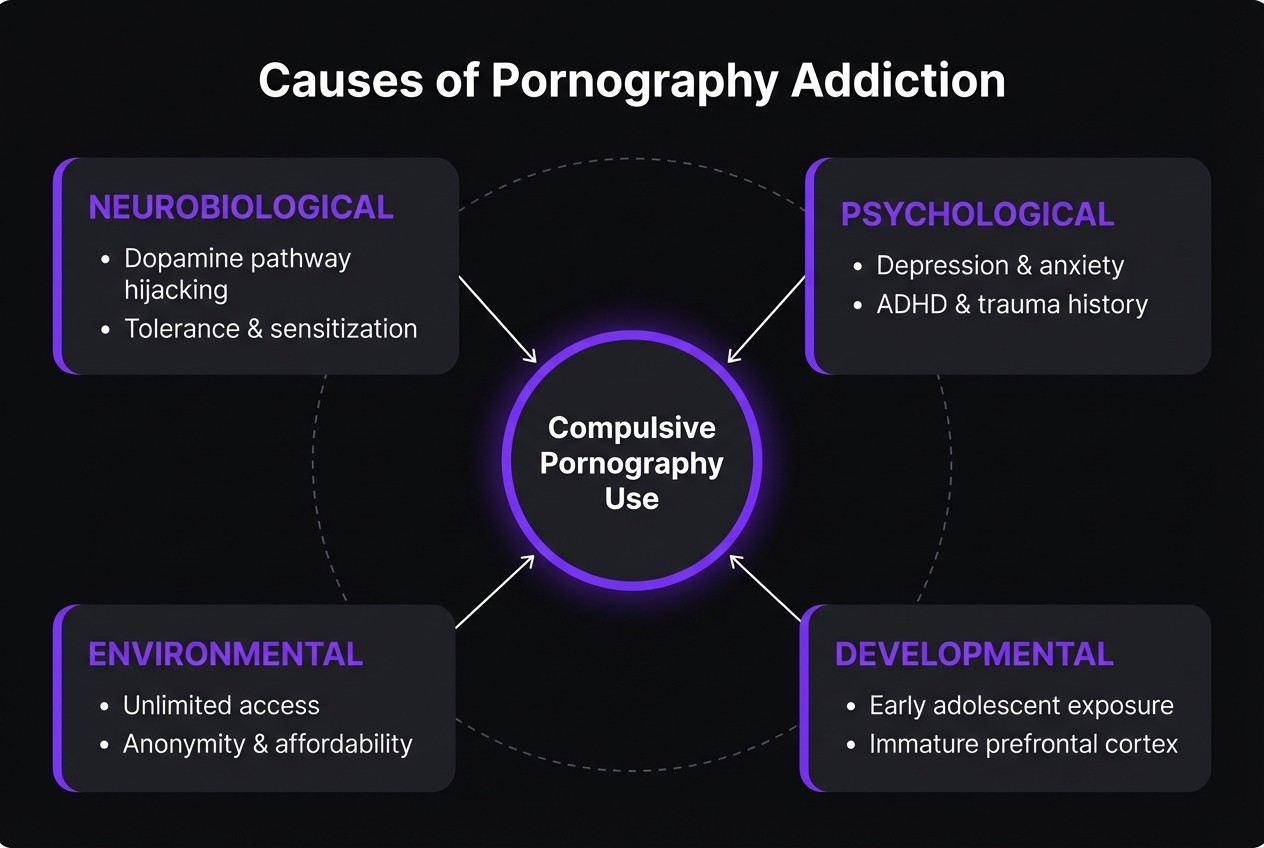
The causes of pornography addiction include neurobiological reward system hijacking, psychological vulnerability factors, environmental accessibility, early exposure during adolescent brain development, and social isolation. These causes interact with each other to create and reinforce compulsive pornography use patterns.
Neurobiologically, pornography activates the brain's mesolimbic dopamine pathway, which is the same reward circuit activated by addictive substances. Repeated activation produces neuroadaptive changes including tolerance, sensitization, and desensitization.
A 2014 study by Dr. Simone Kühn and Dr. Jürgen Gallinat at the Max Planck Institute for Human Development in Berlin, published in JAMA Psychiatry, found that higher pornography consumption was associated with reduced gray matter volume in the right caudate nucleus and reduced functional connectivity between the right caudate and left dorsolateral prefrontal cortex.
Psychological factors play a significant role in vulnerability to pornography addiction. Individuals with depression, anxiety disorders, attention deficit hyperactivity disorder (ADHD), trauma history, and low self-esteem are at higher risk of developing compulsive pornography use, according to the updated I-PACE model by Dr. Matthias Brand, Dr. Rudolf Stark, and colleagues, published in Neuroscience & Biobehavioral Reviews in 2019.
Environmental accessibility is a major contributing cause. The internet provides unlimited, anonymous, and free pornography through any connected device. Dr. Al Cooper of the San Jose Marital and Sexuality Centre coined the "Triple-A Engine" model describing how accessibility, affordability, and anonymity of online pornography create conditions for compulsive use.
Early exposure during adolescence is particularly consequential because the prefrontal cortex, which governs impulse control and decision-making, does not fully mature until approximately age 25. Adolescents exposed to pornography during this developmental window are more vulnerable to forming compulsive patterns that persist into adulthood.
Why Is Pornography Addictive?
Pornography is addictive because it exploits the brain's natural reward system through supernormal stimulation, producing neurochemical responses that create tolerance, sensitization, and compulsive seeking behavior.
Each novel sexual image triggers a dopamine release in the nucleus accumbens. Dopamine is the neurotransmitter responsible for motivation, reward anticipation, and reinforcement learning. Unlike a single sexual encounter, internet pornography provides an endless supply of novel partners and scenarios. This novelty triggers what neuroscientists call the Coolidge effect, a documented biological phenomenon where sexual arousal is renewed by the introduction of a new potential mate.
The brain adapts to this overstimulation through two mechanisms. Desensitization reduces the number of dopamine receptors (D2 receptors), meaning the individual requires more stimulation to achieve the same reward response.
Sensitization creates powerful conditioned pathways linking pornography-related cues to craving, making environmental triggers such as being alone with a device capable of initiating compulsive seeking behavior. These dual mechanisms were described by Todd Love and colleagues in their 2015 review published in Behavioral Sciences.
The combination of unlimited novelty, instant access, and neurochemical reinforcement makes internet pornography uniquely addictive compared to earlier forms of sexual media. Dr. Norman Doidge, a psychiatrist at Columbia University and the University of Toronto, described pornography's effect on the brain as a "competitive plasticity" process in which pornographic content rewires neural circuits to prefer digital stimulation over real-world sexual experiences.
Are Pornography And Internet Addictions Connected?
Yes, pornography and internet addictions are connected. Pornography addiction is considered a specific subtype of internet addiction by many researchers because the internet is the primary delivery mechanism for pornographic content.
Dr. Matthias Brand at the University of Duisburg-Essen developed the Interaction of Person-Affect-Cognition-Execution (I-PACE) model in 2016, and updated it in 2019, to explain how internet-based addictive behaviors develop and persist. This model applies to internet gaming disorder, social media addiction, online gambling, and compulsive pornography use.
The I-PACE model demonstrates that these conditions share common mechanisms including impaired executive control, cue-reactivity, craving, and habitual behavioral patterns.
Research supports significant comorbidity between internet addiction and pornography addiction. Multiple studies have found that individuals diagnosed with internet addiction are significantly more likely to report compulsive pornography use compared to controls, and that pornography is one of the most common specific applications driving problematic internet use.
The distinguishing factor is specificity. Internet addiction encompasses excessive use of the internet broadly, including social media, gaming, and general browsing. Pornography addiction is specifically focused on sexual content consumption. An individual may have pornography addiction without broader internet addiction, but the delivery mechanism and behavioral reinforcement patterns overlap substantially.
What Are The Effects Of Pornography Addiction?
These effects of pornography addiction are listed below.
Brain structure and chemistry changes: Gray matter differences in reward regions, altered connectivity between the reward system and prefrontal cortex, and dysregulation of the dopamine reward pathway.
Erectile dysfunction: Men with high problematic pornography use scores show significantly elevated rates of erectile dysfunction compared to non-users.
Decreased libido: Reduced sexual desire for real-life partners and preference for masturbation with pornography over partnered sex.
Depression: Increased incidence and severity of depressive symptoms, compounded by shame and isolation cycles.
Anxiety: Heightened generalized and social anxiety linked to compulsive use patterns.
Chronic shame and guilt: A recurring cycle of use followed by intense remorse that reinforces secrecy and isolation.
Relationship deterioration: Loss of trust, communication breakdown, reduced intimacy, and partner distress.
Social isolation: Withdrawal from friendships, family, and social activities to create time for pornography use.
Reduced sexual satisfaction: Difficulty achieving orgasm with a partner and diminished arousal from real-world sexual experiences.
Neglect of responsibilities: Declining work performance, missed academic obligations, and reduced productivity.
Sleep disruption: Fatigue and insomnia from late-night or prolonged viewing sessions.
Escalation to extreme content: Needing progressively more novel or extreme material to maintain the same level of arousal.
Neurologically, compulsive pornography use is associated with reduced gray matter volume, altered white matter integrity, and impaired prefrontal cortex functioning. Hormonally, chronic pornography use disrupts dopamine, cortisol, testosterone, and oxytocin regulation.
Psychologically, pornography addiction increases rates of depression, anxiety, shame, and social isolation. Socially, pornography addiction deteriorates intimate relationships through emotional disconnection and unrealistic sexual expectations.
How Does Pornography Addiction Affect The Brain?
Pornography addiction is associated with differences in brain structure, chemistry, and functional connectivity. These effects are parallel to those observed in substance use disorders.
A 2014 study by Dr. Simone Kühn and Dr. Jürgen Gallinat at the Max Planck Institute for Human Development, published in JAMA Psychiatry, found three significant brain differences associated with high pornography consumption. Lower gray matter volume was observed in the right caudate nucleus. Right caudate nucleus is a central structure of reward processing and habit formation.
Reduced functional connectivity was measured between the striatum and the prefrontal cortex, indicating weakened communication between reward-seeking and decision-making regions. Diminished activation of the left putamen occurred in response to sexual stimuli, suggesting desensitization of the reward system.
Dr. Valerie Voon's 2014 Cambridge University study demonstrated that individuals with compulsive pornography use showed heightened cue-reactivity in the ventral striatum when viewing pornographic material.
This pattern of heightened cue-reactivity combined with diminished response to normal rewards mirrors the neural signature of substance addiction.
Research by Dr. Christian Laier and Dr. Matthias Brand at the University of Duisburg-Essen has demonstrated that pornographic picture processing interferes with working memory performance, and that compulsive pornography users show impaired executive functioning.
A 2013 study by Laier, Schulte, and Brand published in the Journal of Sex Research found that sexual stimuli specifically disrupted decision-making and working memory tasks. These deficits are linked to reduced prefrontal cortex activity, the brain region responsible for impulse control, long-term planning, and consequence evaluation.
How Does Pornography Addiction Affect The Endocrine System?
Pornography addiction affects the endocrine system by disrupting the regulation of dopamine, cortisol, testosterone, prolactin, and oxytocin.
Dopamine dysregulation is the primary endocrine effect of pornography addiction. Chronic overstimulation of the dopamine system leads to downregulation of D2 dopamine receptors in the striatum.
This downregulation produces a state of reduced baseline dopamine signaling, which contributes to anhedonia, low motivation, and the compulsive drive to seek increasingly intense stimulation, as described by Dr. Nora Volkow, Director of the National Institute on Drug Abuse (NIDA), in her research on addiction neurobiology.
Cortisol levels are affected because the stress of compulsive behavior, shame cycles, and withdrawal states activate the hypothalamic-pituitary-adrenal (HPA) axis. Chronic HPA axis activation leads to elevated baseline cortisol, which is associated with anxiety, sleep disruption, impaired immune function, and cognitive deficits.
Prolactin release occurs following orgasm and produces a temporary refractory period. Frequent pornography-induced orgasms produce repeated prolactin spikes, which contribute to fatigue, mood disturbances, and reduced sexual motivation between sessions.
A 2003 study by Dr. Tillmann Krüger and colleagues at the University of Essen, published in the Journal of Endocrinology, documented the neuroendocrine response patterns associated with orgasm, including prolactin secretion, and their effects on subsequent sexual motivation.
Oxytocin bonding mechanisms are disrupted because pornography consumption triggers oxytocin release without interpersonal connection. Over time, this may weaken the association between oxytocin release and pair-bonding with a real partner, contributing to emotional disconnection in intimate relationships.
What Is The Connection Between Depression and Porn Addiction?
The connection between depression and porn addiction is bidirectional. Depression increases vulnerability to pornography addiction, and pornography addiction worsens depressive symptoms.
Individuals experiencing depression may turn to pornography as a short-term coping mechanism because it provides an immediate dopamine release that temporarily relieves low mood. This self-medication pattern creates a reinforcement cycle where pornography becomes the primary source of pleasure, further displacing healthier activities and social connections.
Research consistently demonstrates an association between higher pornography use frequency and higher depression scores, greater anxiety, and lower overall life satisfaction.
Compulsive pornography use can induce depression through neurochemical changes. Reduced D2 receptor density leads to anhedonia, the inability to experience pleasure from everyday activities. Shame and secrecy caused by masturbation further intensify depressive symptoms.
A 2015 study by Dr. Joshua Grubbs and colleagues at Case Western Reserve University, published in Psychology of Addictive Behaviors, found that perceived addiction to internet pornography predicted psychological distress over time.
What Is The Connection Between ADHD and Porn Addiction?
The connection between ADHD and porn addiction is that ADHD increases susceptibility to pornography addiction through shared neurobiology involving dopamine deficiency and impaired executive control.
ADHD involves reduced dopamine signaling in the prefrontal cortex and striatum. This baseline dopamine deficit creates a neurobiological drive toward stimulating activities that produce rapid dopamine release. Pornography provides exactly this type of high-stimulation, rapidly rewarding experience.
A 2019 study by Dr. Beáta Böthe and colleagues at Eötvös Loránd University in Budapest, published in the Journal of Sexual Medicine, found that impulsivity and emotional dysregulation were significant predictors of problematic pornography use.
Executive function deficits associated with ADHD, including impaired impulse control and difficulty with delayed gratification, directly undermine efforts to regulate pornography consumption. Chronic pornography use further impairs these same prefrontal cortex functions, creating a compounding effect.
How Is Pornography Addiction Diagnosed?
Pornography addiction is diagnosed through clinical assessment of behavioral patterns, psychological evaluation. This is done by a qualified mental health professional such as a psychologist, psychiatrist, or licensed therapist specialized in sexual behavior disorders.
The World Health Organization's ICD-11 provides diagnostic criteria for compulsive sexual behaviour disorder (CSBD). The ICD-11 criteria require all of the following conditions to be met for a diagnosis.
Persistent pattern: A pattern of failure to control intense, repetitive sexual impulses or urges resulting in repetitive sexual behavior over a period of six months or more.
Impaired functioning: The repetitive sexual behavior causes marked distress or significant impairment in personal, family, social, educational, occupational, or other important areas of functioning.
Failed control attempts: Repetitive sexual behavior continues despite the individual's efforts to control or reduce it.
Continued use despite consequences: The individual continues the behavior despite deriving little or no satisfaction from it, or despite experiencing adverse consequences.
What Are The Treatment Options For Pornography Addiction?
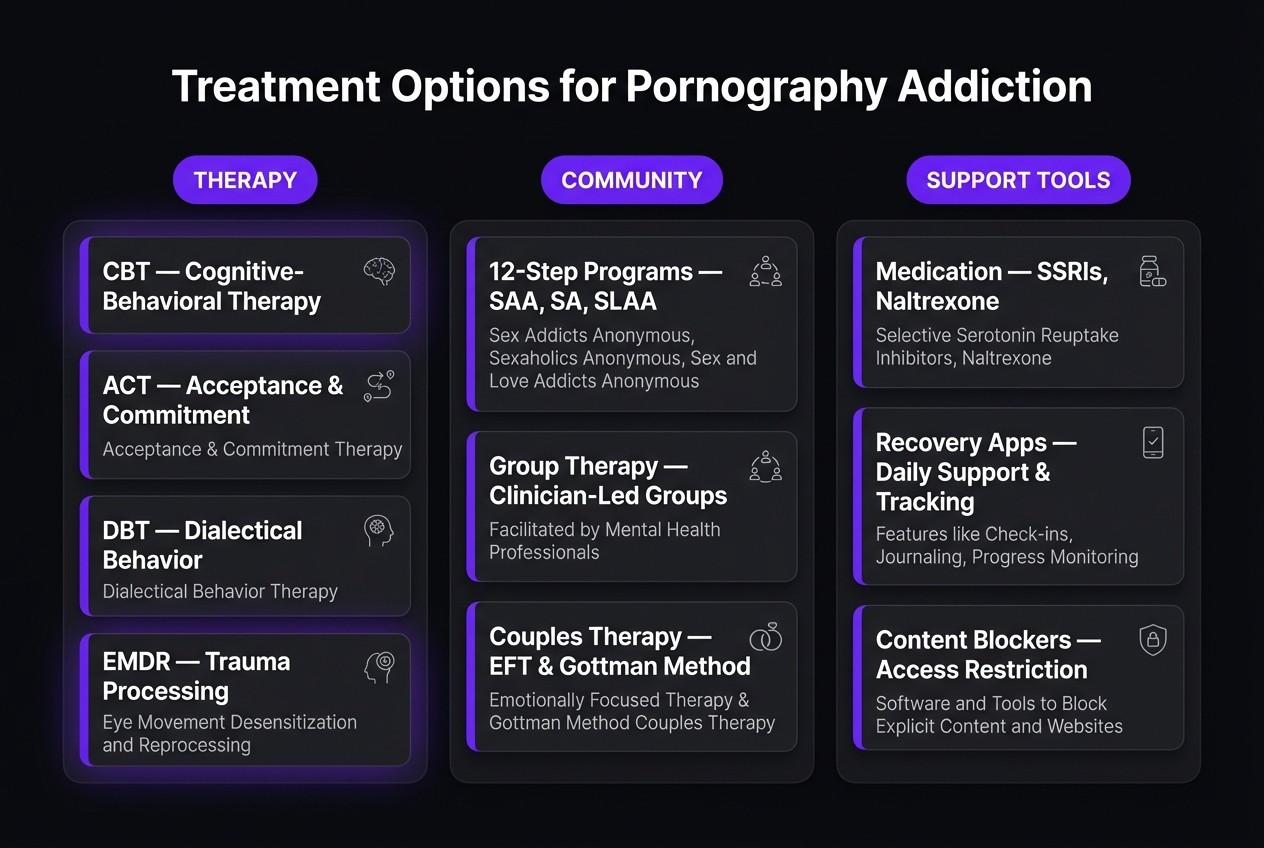
The treatment options for porn addiction are listed below.
Cognitive-behavioral therapy (CBT): CBT is the most widely researched psychotherapy for pornography addiction, according to a systematic review published in the Journal of Clinical Medicine. CBT identifies and restructures the distorted thoughts and beliefs that drive compulsive behavior, develops coping strategies for triggers, and builds relapse prevention skills. Treatment periods typically last 12 to 16 weeks.
Acceptance and commitment therapy (ACT): ACT teaches individuals to accept longings without acting on them. A 2016 study by Jesse M. Crosby and Dr. Michael P. Twohig at Utah State University, found that an ACT-based intervention reduced problematic pornography viewing by 93% at the end of treatment.
Dialectical behavior therapy (DBT): DBT teaches distress tolerance, emotional regulation, and mindfulness. DBT includes techniques such as "urge surfing," which trains individuals to observe cravings without acting on them until the urge passes naturally.
Mindfulness-based relapse prevention (MBRP): MBRP combines mindfulness meditation with cognitive therapy to teach present-moment awareness and impulse control. MBRP helps individuals manage stress and negative emotions without resorting to pornography as a coping mechanism.
Eye movement desensitization and reprocessing (EMDR): EMDR targets traumatic memories through bilateral stimulation and is effective when unresolved trauma underlies compulsive pornography use. Addiction-specific EMDR protocols exist and typically require 5 to 6 sessions.
Motivational interviewing (MI): MI is a non-confrontational counseling approach that helps individuals discover their own internal motivation to change. MI is often used in early stages of treatment when ambivalence about recovery is high.
12-step programs: Programs such as Sex Addicts Anonymous (SAA), Sexaholics Anonymous (SA), and Sex and Love Addicts Anonymous (SLAA) adapt the 12-step model from Alcoholics Anonymous to sexual behavior addictions. SMART Recovery offers a secular, science-based alternative using CBT-derived tools.
Group therapy: Clinician-led group therapy provides a structured environment where individuals share experiences, reduce shame through peer connection, and learn from others in recovery. Group-based interventions have shown effectiveness for compulsive sexual behavior in clinical trials.
Couples therapy: Emotionally focused therapy (EFT) and Gottman Method couples therapy address the relational damage caused by pornography addiction. EFT frames secure attachment as an antidote to addiction, while the Gottman Method rebuilds connection through structured exercises that help partners turn toward each other rather than away.
Medication: No medications are specifically approved for pornography addiction. Selective serotonin reuptake inhibitors (SSRIs) may reduce compulsive urges in some individuals. Naltrexone, an opioid antagonist, has shown promise in reducing cravings for compulsive sexual behavior in case studies, as recommended by the Mayo Clinic. In porn addiction treatment, medication is typically used alongside psychotherapy.
Digital recovery tools: Accountability software, content-blocking applications, and recovery apps provide practical barriers to access and real-time support. These tools serve as supplementary aids within a comprehensive treatment plan.
Can You Recover From Pornography Addiction By Yourself?
You can recover from pornography addiction by yourself in some cases, but professional support significantly improves outcomes and reduces the risk of relapse.
Self-directed recovery strategies include removing access through content-blocking software, identifying and avoiding triggers, replacing pornography use with alternative activities such as exercise or social engagement, and establishing accountability with a trusted person. These strategies are most effective for individuals with mild to moderate problematic use (those that do not have co-occurring mental health conditions).
How To Help a Loved One With Pornography Addiction?
To help a loved one with pornography addiction, lead with curiosity rather than confrontation, learn the neuroscience behind the behavior, support their path to professional treatment, protect your own wellbeing through clear boundaries, and connect with others who understand what you are experiencing. The following strategies describe how to provide effective support.
Lead with curiosity, not confrontation: The instinct to react with anger or disgust is natural but counterproductive. Shame is the fuel that keeps addiction hidden. Ask questions rather than making accusations. A conversation that starts with "I've noticed changes and I'm concerned" creates space for honesty. A conversation that starts with blame closes it.
Learn what is happening in their brain: Pornography addiction restructures reward circuitry in ways the individual did not choose and cannot override through willpower alone. Understanding this removes the temptation to view the behavior as a personal betrayal or character deficiency. Read about dopamine desensitization, tolerance, and compulsive behavioral loops.
Support their path to professional help: Suggest a therapist who specializes in compulsive sexual behavior. Offer practical support such as researching qualified therapists in your area or sitting in the waiting room during their first appointment. Avoid ultimatums that frame treatment as punishment.
Set boundaries that protect you without controlling them: Boundaries define what you will accept in the relationship. They are not tools to force behavior change. State them clearly and enforce them consistently. Recovery must be their decision.
Do not absorb their consequences: Covering up missed obligations, lying to family members on their behalf, or minimizing the impact of their behavior removes the natural feedback that motivates change.
Get support for yourself: Partners of individuals with pornography addiction frequently experience betrayal trauma, hypervigilance, and depression. Individual therapy or support groups such as S-Anon provide a space to process your own experience without making the addicted person's recovery the center of your identity.
Can NoFap Help Break The Cycles Of Pornography Addiction?
Yes, NoFap can help break the cycles of pornography addiction. NoFap is an online community and movement founded in 2011 by Alexander Rhodes that encourages abstinence from pornography and masturbation, typically for 30 to 90 days or longer. The community has grown to over one million subscribers on Reddit.
NoFap helps break addiction cycles by eliminating the behavioral reward response, which allows to recover dopamine receptor sensitivity through the abstinence from porn.
Research on addiction neurobiology demonstrates that abstinence periods assist neurobiological recovery by allowing desensitized dopamine receptors to upregulate toward normal levels. NoFap is most effective when used alongside evidence-based treatment such as cognitive-behavioral therapy.
Can Pornography Addiction be Treated Using An App?
Pornography addiction can be treated using an app as part of a broader recovery plan. Recovery apps provide tools including content blocking, accountability partnerships, habit tracking, psychoeducation, and community support. These tools reinforce professional treatment.
Accountability apps work by monitoring device activity and sending reports to a chosen accountability partner. This creates an external check on behavior. Content-blocking apps restrict access to pornographic websites and filter explicit content across devices.
Recovery-focused apps provide daily exercises, guided meditations, progress tracking, and educational content based on cognitive-behavioral principles.
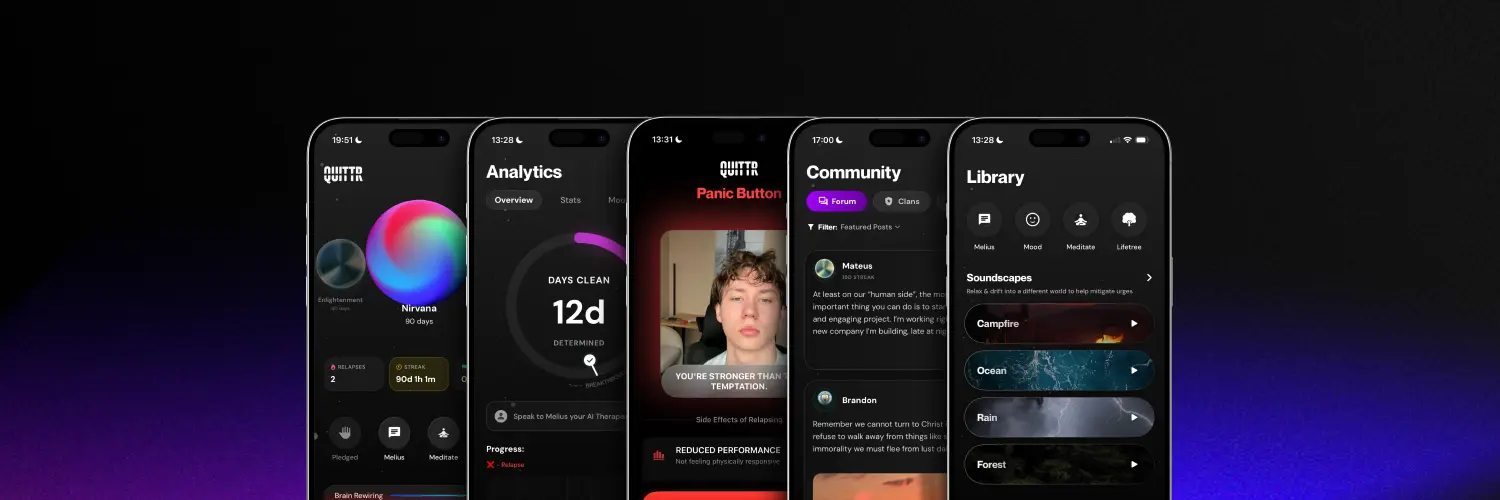
QUITTR is a recovery app that combines accountability features, content blocking, streak tracking, and a structured 90-day program based on addiction neuroscience.
QUITTR includes tools such as: a panic button that uses the phone's camera to create a moment of self-confrontation during urges, an AI therapist for managing cravings, guided breathing exercises, and a recovery journal for logging triggers. The app has been downloaded over 1.5 million times across 120 countries.
A 2023 systematic review published in the Journal of Behavioral Addictions found that internet-based interventions for problematic sexual behavior showed moderate effectiveness in reducing compulsive use, particularly when interventions incorporated cognitive-behavioral techniques and were used consistently over periods exceeding eight weeks (56 days).
Apps are not a substitute for professional therapy, particularly in cases of severe addiction or co-occurring mental health conditions. Apps are most effective as supplementary tools that provide day-to-day support between therapy sessions.
How Long Does It Take To Recover From Pornography Addiction?
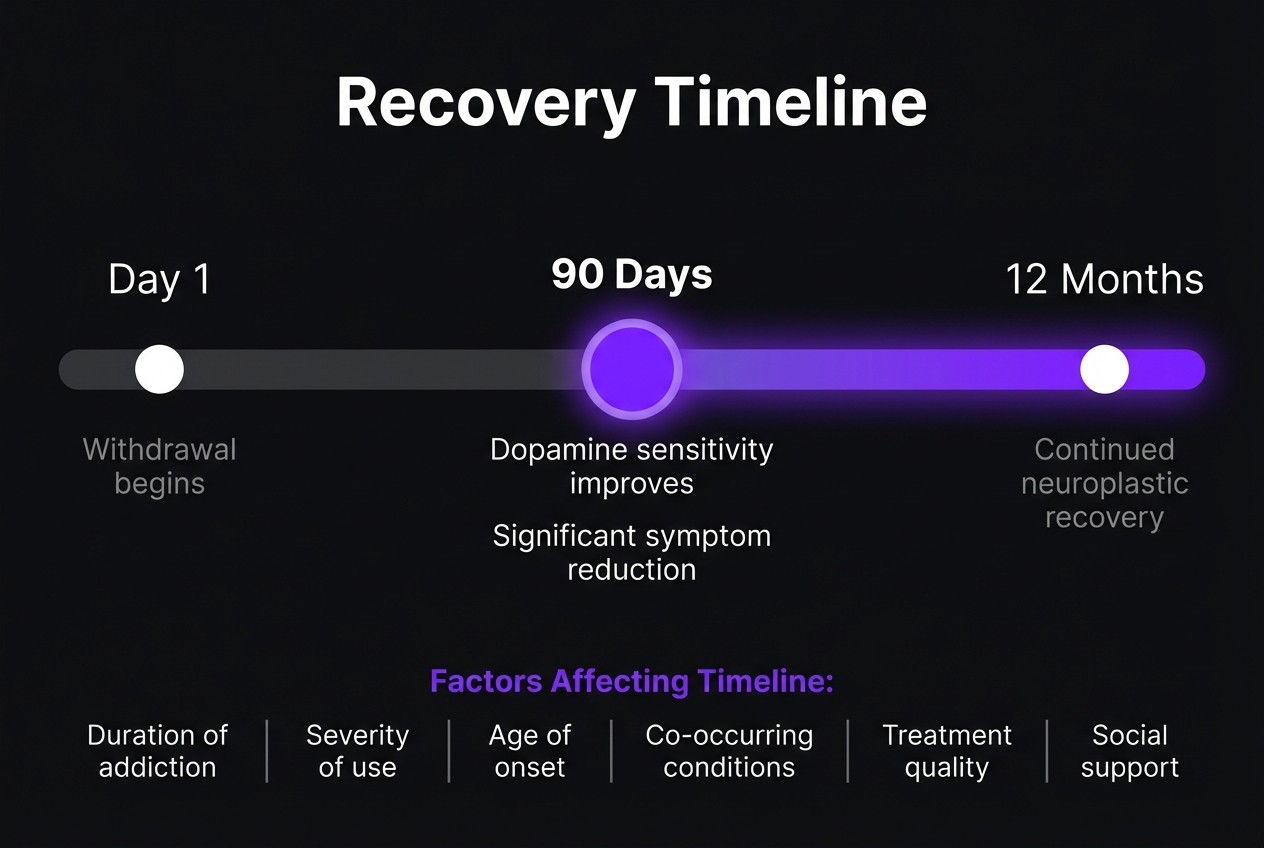
Recovery from pornography addiction typically takes between 90 days and 12 months for significant neurobiological and behavioral improvement, though the timeline varies based on severity of use, duration of addiction, co-occurring conditions, and treatment intensity.
The 90-day benchmark is widely referenced in recovery communities because research on neuroplasticity suggests that approximately 90 days of abstinence is sufficient for measurable dopamine receptor recovery.
Research by Dr. Nora Volkow and colleagues at the National Institute on Drug Abuse, published across multiple studies in journals including the American Journal of Psychiatry, has demonstrated that dopamine system markers in individuals with substance addiction show measurable recovery after sustained periods of abstinence, typically 3 to 4 months or longer.
The QUITTR app offers a structured 90-day recovery program built on this neuroscience. The program guides users through daily exercises, habit replacement strategies, and trigger management techniques designed to support dopamine receptor recovery during the critical first three months of abstinence.
QUITTR has been downloaded over 1.5 million times across 120 countries, making it one of the most widely used digital tools for pornography addiction recovery.
Full recovery is a longer process. Rewiring conditioned pathways established over years of compulsive use requires sustained behavioral change, ongoing therapeutic support, and development of alternative coping mechanisms.
Most addiction specialists describe recovery as an ongoing process rather than a fixed endpoint.
Factors that influence recovery timeline include the following.
Duration of addiction: Longer histories of compulsive pornography use are associated with more entrenched neural pathways and longer recovery times.
Severity of use: Higher frequency and duration of daily pornography sessions correlate with greater neurobiological disruption and slower recovery.
Age of onset: Individuals who began compulsive pornography use during adolescence may require longer recovery periods due to the formative impact on developing brain circuitry.
Co-occurring conditions: Depression, anxiety, ADHD, and trauma complicate and extend the recovery process when untreated.
Quality of treatment: Evidence-based professional treatment accelerates recovery compared to self-directed efforts alone.
Social support: Strong accountability relationships and community support are associated with faster and more sustained recovery.
What Are The Pornography Withdrawal-Related Symptoms?
The pornography withdrawal-related symptoms include intense cravings, irritability, anxiety, depression, insomnia, difficulty concentrating, mood swings, fatigue, and heightened emotional sensitivity.
The withdrawal-related symptoms of porn addiction are listed below.
Intense cravings
Irritability and agitation
Anxiety
Depression and low mood
Insomnia and sleep disturbances
Difficulty concentrating
Mood swings
Fatigue:
Heightened emotional sensitivity
Withdrawal symptoms typically peak during the first one to three weeks of abstinence and gradually diminish over the following weeks to months.
What Is The Difference Between Porn Addiction And Sex Addiction?
The difference between porn addiction and sex addiction is that porn addiction specifically involves compulsive consumption of pornographic material, while sex addiction encompasses a broader range of compulsive sexual behaviors including excessive sexual encounters, compulsive masturbation, exhibitionism, risky sexual activity, and pornography use.
The key differences between pornography addiction and sex addiction are described below.
Scope of behavior: Pornography addiction is focused on viewing sexual content. Sex addiction includes compulsive sexual behaviors with other people, compulsive masturbation, phone or cybersex, voyeurism, and other sexual behaviors beyond pornography viewing.
Interpersonal component: Pornography addiction is typically a solitary behavior. Sex addiction often involves other people and carries additional risks including sexually transmitted infections, unwanted pregnancies, and legal consequences.
Primary stimulus: In pornography addiction, the primary stimulus is visual sexual content delivered through a screen. In sex addiction, the primary stimulus varies and may include physical sexual contact, pursuit of new sexual partners, or the thrill of risky sexual behavior.
Escalation patterns: Pornography addiction escalates toward more extreme or novel pornographic content. Sex addiction may escalate toward more frequent sexual encounters, riskier behaviors, or a larger number of sexual partners.
Treatment overlap: Both conditions are treated using cognitive-behavioral therapy, 12-step programs, and medication for co-occurring conditions. The therapeutic focus differs in that pornography addiction treatment emphasizes digital habits, trigger management related to devices and internet use, and healthy sexuality education, while sex addiction treatment addresses interpersonal dynamics, boundary setting with others, and relational patterns.
Both pornography addiction and sex addiction fall under the World Health Organization's ICD-11 classification of compulsive sexual behaviour disorder (CSBD).
What's Important To Know About Porn Addiction?
The most important thing to know about porn addiction is that it is a recognized behavioral condition with a neurobiological basis. It is not a moral failing or a matter of insufficient willpower.
Pornography addiction produces measurable changes in brain structure and chemistry that impair an individual's ability to control their behavior, as demonstrated by research from the University of Cambridge, the Max Planck Institute, and Yale University School of Medicine.
Recovery from pornography addiction is possible. The brain's neuroplasticity supports gradual recovery from changes associated with compulsive pornography use when the behavior is stopped, and healthier patterns are established.
Evidence-based treatments including cognitive-behavioral therapy and acceptance and commitment therapy have demonstrated significant effectiveness in clinical trials.
Early intervention produces better outcomes. The longer compulsive pornography use continues, the more entrenched the neural pathways become and the more difficult recovery is.
Individuals who recognize signs of problematic use and seek help early have a substantially better prognosis than those who wait until the addiction has caused severe personal, relational, and occupational damage.
Shame is the greatest obstacle to recovery. Research consistently shows that shame drives secrecy, isolation, and continued compulsive behavior.
Recovery environments that emphasize compassion, understanding, and evidence-based treatment produce better outcomes than those based on moral condemnation. Partners, family members, and friends who respond with empathy rather than judgment create conditions that support recovery.
Professional help is available and effective. Licensed therapists specializing in compulsive sexual behavior, 12-step communities, online recovery programs, and digital tools provide multiple pathways to recovery.
No single approach works for every individual, and the most effective recovery plans typically combine professional therapy with community support and practical tools for managing triggers and preventing relapse.

Ready to finally quit porn?
Start your journey with our porn addiction recovery app and become the best version of yourself. The benefits feel great, trust us - The QUITTR Team